How Safe is Your Home or Office Air Space?
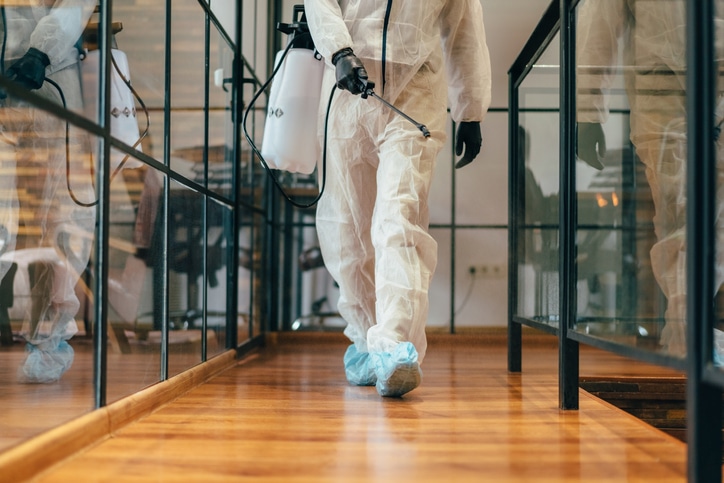
Mold, mildew, and other contaminants and pollutants can hide in your home or business, affecting indoor air quality and causing health problems for those inside. The effects of these contaminants in a home or office air space are commonly referred to as building-related illnesses. While a building itself is not ill, it may contain biological and chemical contaminants, such as asbestos, lead, radon, mold, mildew, and other pollutants, that trigger symptoms for those who live or work inside.
If family members in your home or employees in your business are experiencing ongoing symptoms, you may find yourself wondering just how safe your indoor environment truly is. The professionals at MD Mold Testing explore the symptoms and causes of common indoor air quality issues and explain how you can help protect the people inside your home or workplace.
What Is Indoor Air Quality (IAQ) and Why Does It Matter?
Indoor air quality (IAQ) refers to the condition of the air inside homes, offices, and commercial buildings and how it affects the health and comfort of occupants. Good indoor air quality means the air is free from harmful pollutants, biological contaminants, and excessive moisture. Poor indoor air quality, on the other hand, can contribute to both short-term discomfort and long-term health concerns.
Because people spend a majority of their time indoors, indoor air quality plays a major role in overall well-being. In residential settings, poor IAQ can aggravate allergies, disrupt sleep, and impact children and elderly family members more severely. In office and commercial environments, compromised air quality can lead to reduced productivity, increased sick days, and ongoing respiratory complaints among employees.
Indoor air quality is influenced by ventilation, humidity levels, HVAC systems, building materials, and the presence of contaminants such as mold, radon, asbestos, and chemical pollutants. Without professional testing, many of these issues remain hidden until symptoms become persistent or widespread.
Symptoms of Common Home and Office Contaminants
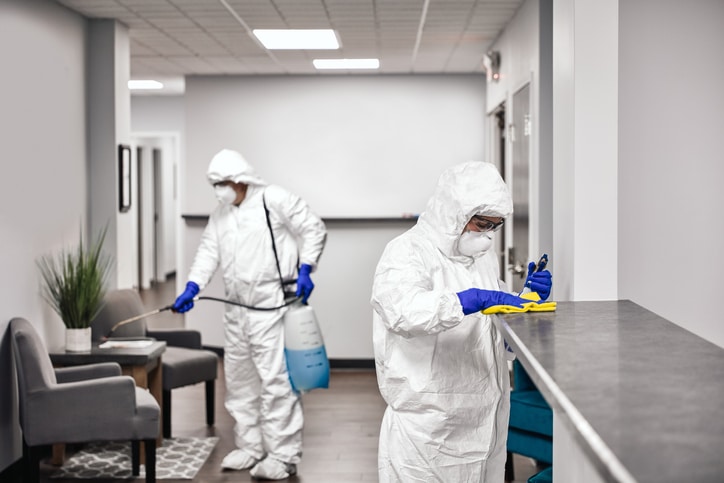
In most cases, the first to experience worsening symptoms of pollutants and contaminants in a property are those with underlying conditions, like asthma, allergies, COPD (chronic obstructive pulmonary disease), and other lung conditions. Contaminants like mildew, mold, smoke, radon and other chemicals, asbestos negatively impact indoor air quality.
In addition to difficulty breathing, other symptoms of exposure to contaminants include:
- Headaches
- Eye irritation
- Nose/throat irritation
- Nausea
- Coughing
- Fatigue
- Itchy skin
- Difficulty concentrating
Many sufferers attribute these symptoms to seasonal allergies and ignore the symptoms until they are ill.
Signs Your Home or Office Air Quality May Be Unsafe
Poor indoor air quality is not always immediately visible. In many cases, warning signs develop gradually and are often mistaken for everyday discomfort or allergies. You may want to consider professional air quality testing if you notice any of the following:
- Persistent musty or unusual odors that do not dissipate
- Allergy or asthma symptoms that worsen indoors
- Frequent headaches, fatigue, or brain fog while inside the building
- Eye, nose, throat, or skin irritation with no clear cause
- Excessive dust buildup on surfaces or around vents
- Condensation on windows, walls, or HVAC components
- Symptoms that improve after leaving the home or workplace
- A history of water damage, leaks, or flooding
These indicators may suggest the presence of mold, chemical pollutants, or ventilation problems that require further investigation.
Causes of Safety Issues in Your Home or Office Air Space
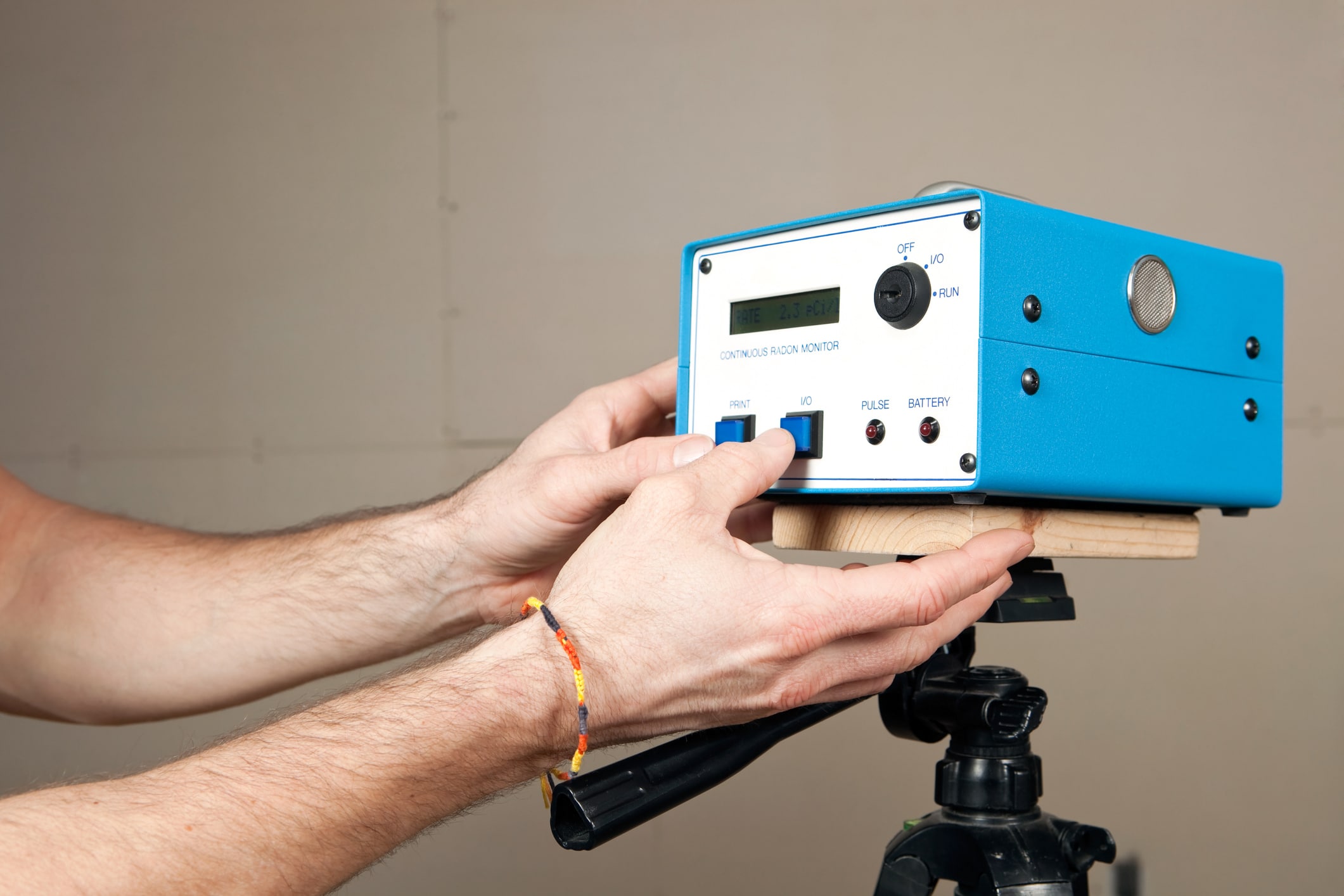
Among the major causes and common culprits of air quality issues in your home or office include:
- Mold
- Mildew
- Radon
- Asbestos
- Lead
Poor ventilation, which results in the entrapment of contaminants and pollutants inside the home or building. If you are concerned this may be happening in your home or office, MD Mold Testing offers testing and inspection services for air quality as well as mold, asbestos, soil, radon, water, and lead ensuring the safety of your building.
Residential vs. Commercial Indoor Air Quality Risks
Indoor air quality concerns affect both homes and businesses, but the risks and responsibilities differ depending on the environment.
1. Homes and Residential Properties
In residential spaces, indoor air quality issues often affect children, seniors, and individuals with respiratory conditions first. Homes with basements, aging plumbing, or high humidity levels are especially vulnerable to mold growth and moisture-related problems. Poor air quality in the home can interfere with sleep, worsen allergies, and reduce overall comfort.
2. Offices and Commercial Buildings
Commercial buildings typically house more occupants for longer periods, increasing the concentration of airborne contaminants. Shared HVAC systems, limited ventilation, and inconsistent maintenance schedules can allow pollutants to circulate throughout the space. Employers and property owners may also face legal and liability concerns if indoor air quality issues contribute to employee or customer illness.
3. Rental Properties and Multi-Unit Buildings
In multi-unit buildings, air quality issues can spread between units through shared ventilation systems, walls, and plumbing. Moisture problems or mold growth in one area may impact multiple residents, making professional testing essential for identifying the full scope of the problem.
Improving Air and Water Quality in Your Home or Business
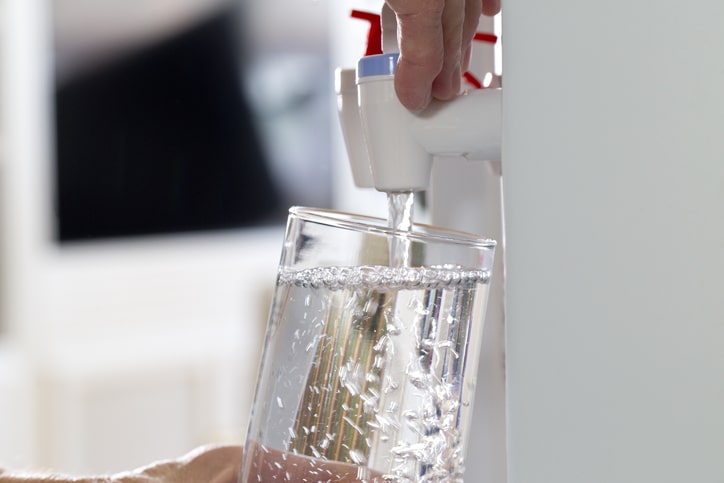
If you own a home, you want to keep your family and friends safe. If you are a business owner, you want to keep your employees and customers safe and it is your responsibility to do so. To ensure the safety in both your home and office you should have regular inspections and testing for contaminants like mold and asbestos as well as water quality testing.
The performance of regularly scheduled inspections in your business done by licensed professionals can also work to protect your from potential lawsuits should an employee or a customer fall ill due to undetected health hazards. Inspections allow you to identify health hazards early and handle them quickly before anyone becomes ill in your business space.
Regular inspections permit you to take the needed measures if there are impending hazards in your business property. For example, if mold is detected in your business, the financial destruction and health damages can have devastating effects.
You can improve air quality in your home or office by adding air filters and ventilation systems in kitchens and bathrooms to decrease the contaminants and moisture in the air. Removing moisture effectively reduces the risk of mold growth in your property. Adding air filters to other areas of the building can also aid in the reduction of allergens and pollutants in the air.
Focusing on the Issue of Mold
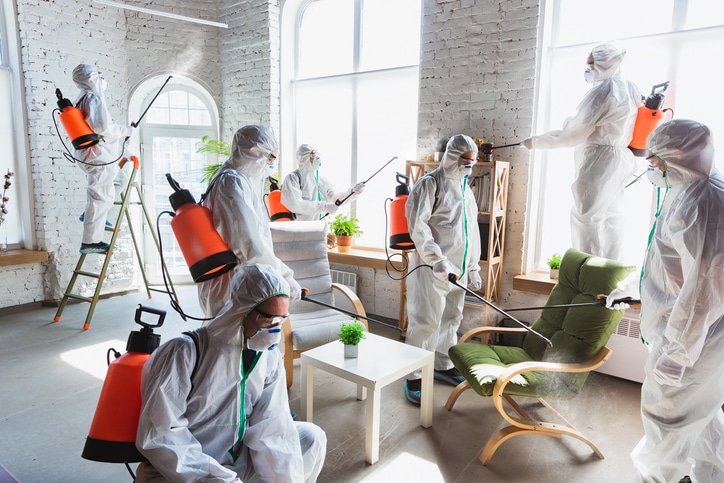
As one of the world’s most common and most prolific organism, mold likes to invade homes and businesses, hide and grow. Mold is the name given to a multitude of fungi, many of which can be harmful to humans. The problem is you often don’t know you have a mold infestation until the issue has already become apparent.
Mold spores live virtually everywhere and as microscopic organisms they can enter your home or business with ease – floating through open doors or windows, entering via HVAC (heating, ventilation, and air conditioning) systems or riding in on the humans you welcome inside. Once inside, the mold spores find damp areas to settle, grow quickly, and develop mold colonies in less than 48 hours.
Often before you see the infestation, you smell the musty scent mold produces. Once you can smell the mold, the allergens and other associated irritants are being produced. In your home or office, mold often makes its home in kitchens and bathrooms (particularly underneath sinks) or on your plumbing and ductwork. While ductwork may surprise you, the fact is humidity in your property can help mold to thrive, making it important to control humidity, keeping it at less than 50 percent.
How to Protect Your Home or Business After Water Damage
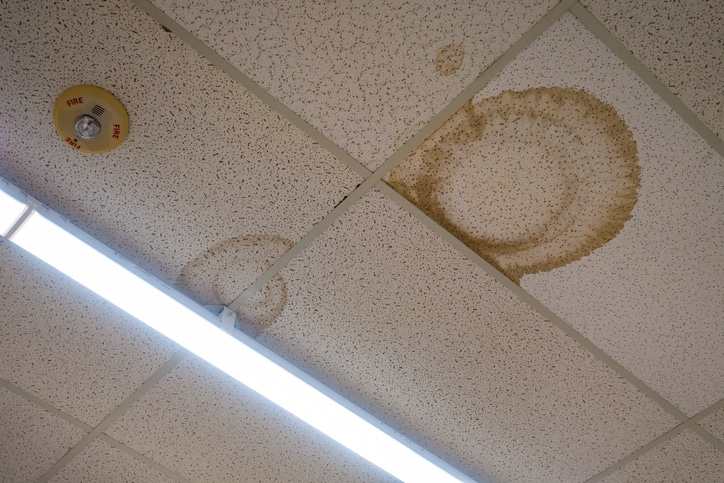
If your home or business experiences water damage, you will need to protect your property from mold and termites, both of which are drawn to water. When water damage occurs mold can take hold within 24 hours. To prevent mold infestation, you’ll want to remove standing water, as well as wet furniture and carpeting. You will also need to remove water from the air by opening windows and running fans and dehumidifiers.
After the water is taken care of, you will need to sanitize your space to prevent mold growth. In addition to mold concerns, termites are also a danger after water damage. The same steps apply, but in addition, you will need to treat the wood in your home or office to deter these harmful pests.
Why Professional Indoor Air Quality Testing Matters
While visible signs and symptoms can suggest an air quality problem, many contaminants cannot be detected without professional testing. Mold spores, asbestos fibers, radon gas, and chemical pollutants often remain invisible to the naked eye.
Professional indoor air quality testing provides accurate, lab-analyzed results that help identify the presence, type, and severity of contaminants. This information is essential for determining appropriate next steps, whether remediation, repairs, or ongoing monitoring. Professional testing also provides documentation that may be useful for real estate transactions, insurance claims, or workplace compliance.
Getting the Help You Need to Ensure Your Home and Office Air Space is Safe
Here you have learned the dangers of contaminants, pollutants, and infestations which can cause hazards to your home and business and the people who live and work within. MD Mold Testing offer full service residential and commercial inspections, delivering over 25 years of knowledge and experience, and ensuring your home and business are protected from potential health hazards.
MD Mold Testing’s service area includes all of Montgomery County, and the surrounding area including Maryland, Delaware, Washington, D.C., and northern Virginia. Call today for the needed environmental testing include indoor air quality, mold, soil, radon, asbestos, water, and lead.