Home Improvement and Mold Prevention Tips By Season
Every season brings its own set of challenges for keeping your home mold-free and maintaining healthy indoor air quality. From spring rainstorms to humid summers and tightly sealed winter homes, changing weather conditions can create ideal environments for mold to thrive.
Without regular upkeep, seasonal shifts can lead to moisture buildup, poor ventilation, and long-term issues like structural damage, musty odors, and even respiratory problems. The good news? With a few proactive steps each season, you can dramatically reduce your risk of mold growth and improve your home’s overall health.
Use this seasonal guide to stay ahead of mold prevention and home maintenance tasks year-round.
Tips to Make Sure Mold & Mildew is Under Control This Spring
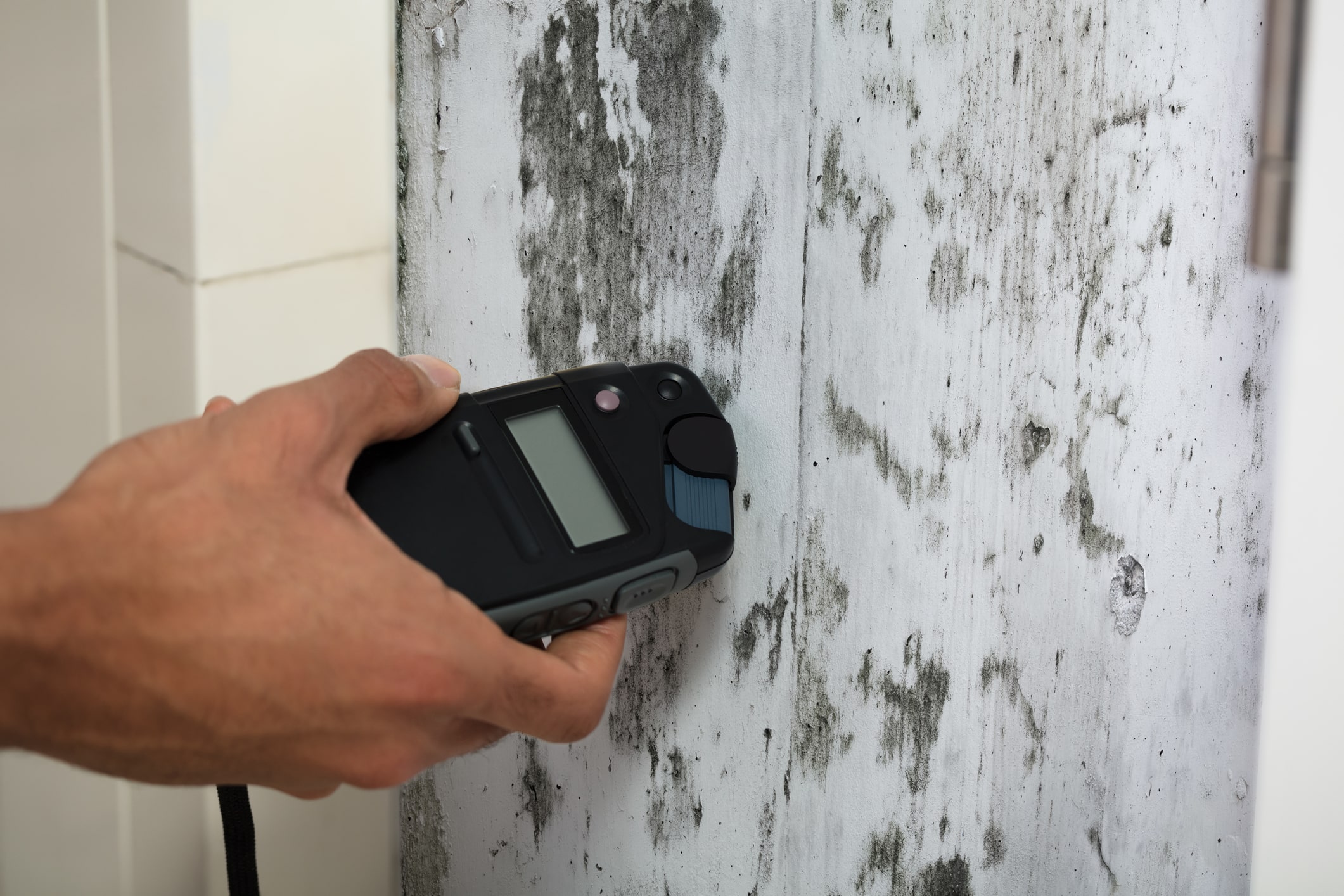
Warm temperatures and dampness create the perfect breeding ground for mold and mildew. Unfortunately, not only do mold and mildew have bad odors, if you don’t treat them properly, they can also have negative impacts on your health. This spring, make sure you keep mold and mildew under control with the following tips.
Keep Moisture Levels Low
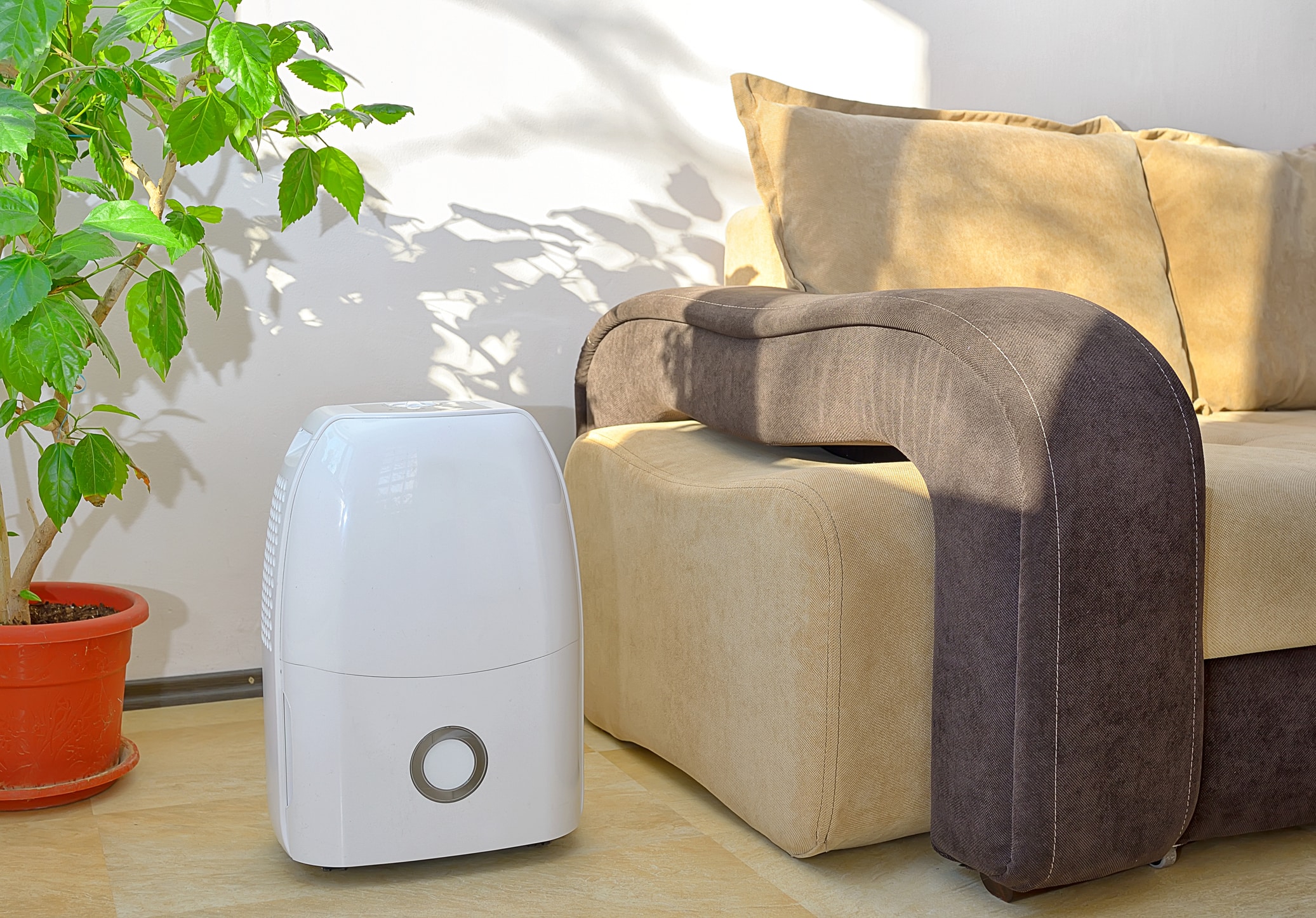
Since moisture is one of the main items mold and mildew need to grow, it’s important to keep all moisture under control around your home. This means checking for and repairing leaking pipes, emptying drip pans from your air conditioner, and cleaning the gutters, so you don’t have any standing water around your house. You can also use a dehumidifier to pull moisture from the air. Ideally, you want the humidity level in your home between 30 and 50 percent.
Focus on the Bathroom
The bathroom is a favorite spot for mold and mildew to grow, and it’s easy to see why. These rooms are typically dark, warm, and wet. To make your bathroom less hospitable to mold and mildew, run the exhaust fan or open the window for about 30 minutes after you use the shower or bath to remove extra moisture from the air. Additionally, spraying a cleaner every day that has a mold and mildew fighting ingredient can help prevent them from growing.
Remove Spots You Find
If you do find some mold and mildew growing in your house, you can find several products around your house that will kill them. Your options include bleach, vinegar, hydrogen peroxide, baking soda, and tea tree oil. Simply scrub the area that has mold spots and let the surface dry completely.
Summer Mold Prevention Tips for Hot and Humid Months
Summer means warm weather and sunshine, but this season can also introduce high humidity and excess moisture. Worried about moisture turning into mold? Try these four tips to prevent mold in your home this summer.
Limit Indoor Moisture
Mold thrives in moist, dark environments, so the simplest thing you can do to prevent mold is to address leaks and deal with water damage. In damp, dark areas like under sinks and in the basement, check for drips and pooled water. Tackle leaks as soon as you find them, so you don’t give mold spores a place to call home.
Keep Humidity Under Control
Controlling airborne moisture levels is another smart way to prevent mold from thriving in your home. Start by checking your thermostat to make sure the humidity level is below 50 percent. If your HVAC system needs an extra boost to lower moisture levels, consider getting a portable dehumidifier for a certain area of your house or investing in a whole-home dehumidifier that can resolve humidity problems throughout the house.
Ventilate Your Home
If it often seems like air sits in your home without circulating in and out, mold and moisture could be building up and creating a mold problem. Improve ventilation by turning on exhaust fans in the bathroom and kitchen, as these handy devices are designed to push moist air outside where it belongs.
Stick to a Cleaning Routine
A regular cleaning routine can do wonders for mold issues in your home. Vacuum, dust, and mop surfaces and floors in your home once a week, and take care to dry any wet surfaces. This strategy gives mold fewer opportunities to thrive and helps your home smell fresh at the same time.
Fall Home Improvement and Mold Prevention Tips
Fall is the ideal time to prepare your home for colder weather while addressing issues that could lead to moisture buildup and mold growth. As temperatures cool and leaves begin to fall, homeowners should focus on sealing, cleaning, and inspecting areas that may be vulnerable during winter.
Remove Leaves and Outdoor Debris
Fallen leaves can trap moisture around your home’s foundation, roof, and gutters. Rake and remove leaves regularly to prevent water from pooling near your home, which can lead to leaks and basement moisture issues. Clearing debris also helps protect your lawn and reduces the risk of mold growth around exterior entry points.
Inspect the Roof and Gutters
Take advantage of mild fall weather to inspect your roof for missing shingles, cracked flashing, or other signs of damage. Small issues can quickly turn into leaks once winter weather arrives. Clean out gutters and downspouts to ensure water flows away from your home and doesn’t back up into the roof or walls.
Improve Window and Door Sealing
Drafty windows and doors can allow cold air in and warm air out, increasing condensation indoors. Check for gaps or worn seals and apply weatherstripping or caulk as needed. Upgrading to ENERGY STAR® rated windows can also improve energy efficiency and reduce moisture buildup during colder months.
Winter Mold Prevention Tips for Cold Weather Conditions
Winter often means tightly sealed homes, which can trap moisture and reduce ventilation. While keeping warm is a priority, it’s just as important to manage indoor humidity and airflow to prevent mold from developing during the colder months.
Control Indoor Humidity Levels
Even in winter, indoor humidity should stay between 30 and 50 percent. Excess moisture from cooking, showers, and humidifiers can lead to condensation on windows, walls, and ceilings. Use exhaust fans and monitor humidity levels to prevent moisture from building up in enclosed spaces.
Prevent Condensation and Ice Buildup
Condensation on windows and cold surfaces is a common winter issue. Wipe down moisture as it appears and ensure proper insulation in attics and crawlspaces to reduce temperature differences that cause condensation. Addressing these areas helps prevent hidden mold growth inside walls and ceilings.
Maintain Heating and Ventilation Systems
Your heating system plays a key role in air circulation during winter. Replace air filters regularly and make sure vents are unobstructed to promote consistent airflow throughout your home. Proper ventilation helps reduce trapped moisture and improves overall indoor air quality.
Monitor Basements and Crawlspaces
Basements and crawlspaces are especially vulnerable in winter due to poor airflow and cold temperatures. Check these areas periodically for dampness, musty odors, or visible mold. If moisture persists, consider using a dehumidifier or scheduling professional mold testing for peace of mind.
Be Ready For Any Season
Being proactive each season can significantly reduce your risk of indoor mold and water damage. But if you suspect hidden mold or have experienced leaks or high humidity, it’s time to get a professional assessment.
At MD Mold Testing, we offer mold inspections and indoor air quality testing tailored to Maryland homes and beyond.
Suspect that your home already has a mold problem or need to stop mold in its tracks? Contact MD Moldtesting.com at 301-717-1454 to schedule mold testing today.