5 Hidden Sources of Indoor Air Pollution
Modern homes are built to be more energy efficient than ever before. While energy-efficient construction helps reduce heating and cooling costs, it also reduces natural airflow between indoor and outdoor environments.
The result? Pollutants can become trapped inside your home.
Americans spend nearly 90% of their time indoors. When ventilation is limited, indoor air pollution can accumulate to levels that may negatively affect your health. Studies have linked poor indoor air quality to respiratory illnesses, cardiovascular disease, neurological symptoms, and even certain cancers.
Below, we explore the five hidden sources of indoor air pollution and what you can do to protect your family.
Types of Indoor Air Pollutants
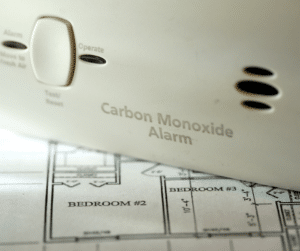
Some sources of indoor air pollution are caused by structural elements, while others are items that we bring into our homes. Indoor air contaminants typically exist in two forms:
Some pollutants originate from structural materials, while others come from products brought into the home.
Common Indoor Air Pollutants Include:
- Asbestos
- Biological Pollutants
- Carbon Monoxide
- Formaldehyde
- Lead
- Pesticides
- Other Chemicals
Many of these contaminants are invisible and odorless, meaning you may not realize there’s a problem until health symptoms develop. That’s why professional indoor air quality testing is often the only reliable way to identify hazardous compounds.
5 Hidden Sources of Indoor Air Pollution
Indoor air quality can become tainted by numerous organic and chemical compound threats. Many air pollutants are emitted due to the structural construction of the property. In other cases, these toxic chemicals are emitted by the goods that we bring inside our homes.
1). Furniture
Many furniture items release gases long after manufacturing. Pressed wood products, particle board, adhesives, and synthetic fabrics may emit formaldehyde and other VOCs for months or even years.
Common contributors include:
One study analyzing infant crib mattresses detected over 100 different chemical emissions, including solvents and alcohol-based compounds.
In tightly sealed homes, these emissions can build up over time and significantly impact indoor air quality.
2.) Household Cleaning Products
Many popular cleaning products release volatile organic compounds (VOCs). These gases can irritate the eyes, nose, throat, and lungs, and prolonged exposure may contribute to more serious respiratory conditions.
Products that may emit VOCs include:
-
Aerosol sprays
-
Disinfectants
-
Air fresheners
-
Carpet cleaners
-
Degreasers
-
Scented candles
Even “green” or “natural” products can release airborne chemicals.
If you notice headaches, dizziness, or respiratory irritation after cleaning, poor air circulation may be trapping harmful vapors inside your home.
3). Live Sources of Indoor Air Pollution
Biological pollutants are one of the most common and dangerous indoor air threats.
These include:
-
Mold and mildew
-
Dust mites
-
Bacteria
-
Viruses
-
Pollen
-
Pet dander
-
Insects
Moisture is the primary driver of biological contamination. High humidity levels, leaks, condensation, and poor ventilation create ideal conditions for mold growth.
Mold spores can spread through HVAC systems and remain suspended in the air, triggering:
-
Asthma attacks
-
Allergic reactions
-
Chronic sinus infections
-
Skin irritation
-
Fatigue
Professional mold testing and indoor air quality inspections can determine whether airborne mold spores are present in unsafe levels.
4). Home Remodels
Home improvement projects often introduce new pollutants into the indoor environment.
Materials used during remodeling may emit hazardous fumes, including:
Even minor DIY projects can release airborne contaminants that linger long after the work is complete.
Additionally, disturbing old building materials during renovations can release hidden toxins such as asbestos fibers or lead dust, especially in homes built before 1980.Before beginning a remodel, it’s wise to schedule professional air quality testing, particularly in older homes.
5). Asbestos
Asbestos is a naturally occurring mineral once widely used in construction materials due to its fire-resistant properties.
It may be found in:
-
Insulation
-
Ceiling tiles
-
Floor tiles
-
Joint compound
-
Cement siding
-
Roofing materials
When asbestos-containing materials are disturbed, microscopic fibers become airborne. These fibers can remain suspended for long periods and are easily inhaled.
Exposure to asbestos has been linked to:
Because asbestos fibers are invisible to the naked eye, professional asbestos testing is essential before any demolition or remodeling project.
Why Indoor Air Quality Testing Matters
You cannot rely on sight or smell to determine if your home’s air is safe.
Professional indoor air quality testing can detect:
Testing is especially important:
-
Before buying or selling a home
-
After water damage
-
During unexplained health symptoms
-
Before remodeling
-
After noticing musty odors
How to Prevent, Reduce, and Eliminate Air Pollutants
Prevent indoor air pollution by making more informed decisions regarding the purchases you bring into the home. Always check product websites, reviews, content, and warning labels.
Reduce pollutants and improve the quality of the air inside your home with a few simple measures, including:
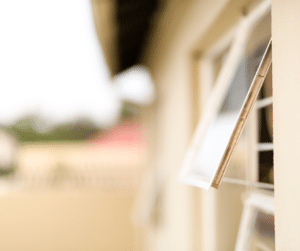
- Open screened windows and doors to bring clean air inside your home when the weather allows.
- Install air purifiers throughout the home.
- Replace all air filters regularly, including the furnace, air conditioning, humidifiers, and air purifiers.
Controlled Air Temperature and Humidity
Humidity and temperature are important factors in the quality of the air inside your home. House plants are another great way to clean the air naturally.
Maintaining a level of consistent quality air and humidity decreases the risk of live sources of air pollination, including mold and mildew.
Avoid Volatile Organic Compounds
Volatile organic compounds, or VOCs, are dangerous gases that are emitted from numerous products in the home, including cleaning products, air fresheners, and more. VOCs have been linked to numerous health issues, including headaches, vomiting, eye irritation, and respiratory illnesses.
Always Seek Professional Home Remodel Services
The DIY route to home remodels increases your risk and your family’s exposure to potentially hazardous compounds. Seek professional and reputable contractors for any home remodel, repair, and/or goods installation service. This includes professional carpet, tile, and major appliance or goods installation.
Protect Your Family with Professional Air and Water Quality Testing
Protect your family with professional air quality and water testing. Home pollutant levels should be tested regularly, as well as before buying, selling, or remodeling your home.
MD Mold Testing
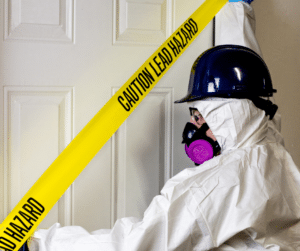
Contact a team of knowledgeable and experienced technicians to protect your home from asbestos, lead, harmful VOCs, and other health hazards. MD Mold Testing provides clients with an extensive line of professional air and water quality testing services.
MD Mold Testing provides high-quality services for homes and businesses throughout Maryland, Delaware, Northern Virginia, and Washington, DC.
Protect your family by scheduling a professional home inspection today. Contact MD Mold Testing at 301-273-1166 or visit online for more information.