If you live in Montgomery County, Maryland, or surrounding areas including the District of Columbia, Delaware, or northern Virginia, and are concerned about health hazards inside your home such as mold or asbestos, MD Mold Testing serves this coverage area with household environmental testing and home inspections. With over 25 years of experience, our licensed and insured professionals offer services 7 days a week, providing testing for various pollutants throughout Montgomery County and surrounding areas:
If you are considering buying a house or condo in our coverage area, we perform thorough home inspections and offer the types of testing listed above if you have concerns about building materials, mold, or the possibility of radon gas infiltration into the home. We are licensed and credentialed in a broad scope of inspection and testing procedures and have the extensive experience necessary to know what to test for and which testing procedures are most applicable to your situation. Home inspections are generally required for real estate transactions, and it is important that you choose your home inspector carefully so you have the critical information necessary for your decision to make an offer.
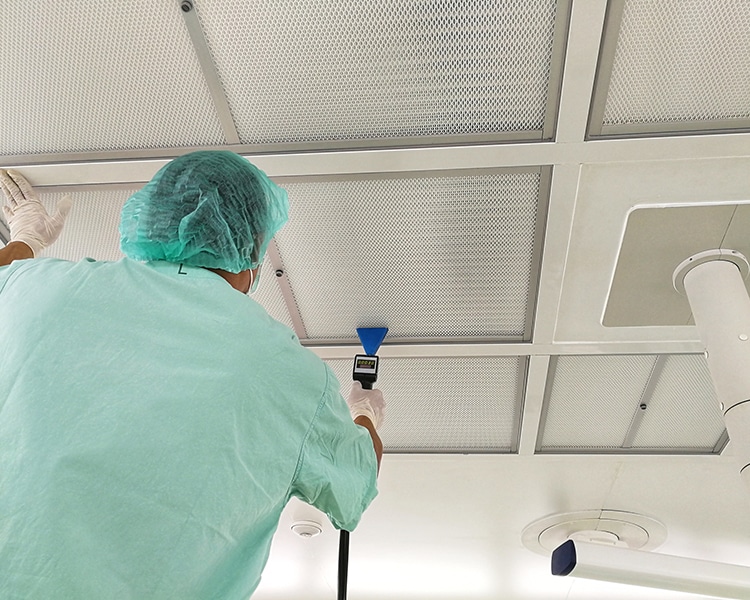
Asbestos was commonly used in building materials from the 1940s through the 1970s. Some asbestos products such as floor tiles carry low risks because there is little chance of these products shattering with enough force to release asbestos fibers into the air. However, other building materials containing asbestos, such as pipe and boiler insulation, may carry health risks. We are licensed by the Environmental Protection Agency (EPA) for asbestos testing and are skilled at knowing how to collect samples and which tests are the proper ones for the material.
Indoor air quality in brand new homes may be compromised by volatile organic compounds (VOCs), which are released from framing materials, flooring, carpeting, and paint. These compounds, which include formaldehyde, can irritate the respiratory tract and aggravate asthma in some cases. We can advise you on how to ventilate your home to lower levels of VOCs, and we perform indoor air quality testing to determine the level of indoor air pollution in homes throughout our coverage area.

Indoor air quality testing may be useful when there is a specific concern about a pollutant, an unexplained change in indoor conditions or a property history that warrants investigation.
Reasons to request an assessment include:
If you experience irritation or respiratory symptoms in a particular room or building, discuss your symptoms with a healthcare professional. Environmental testing may provide information about certain building conditions, but it cannot diagnose a medical condition or prove that a property is causing symptoms.
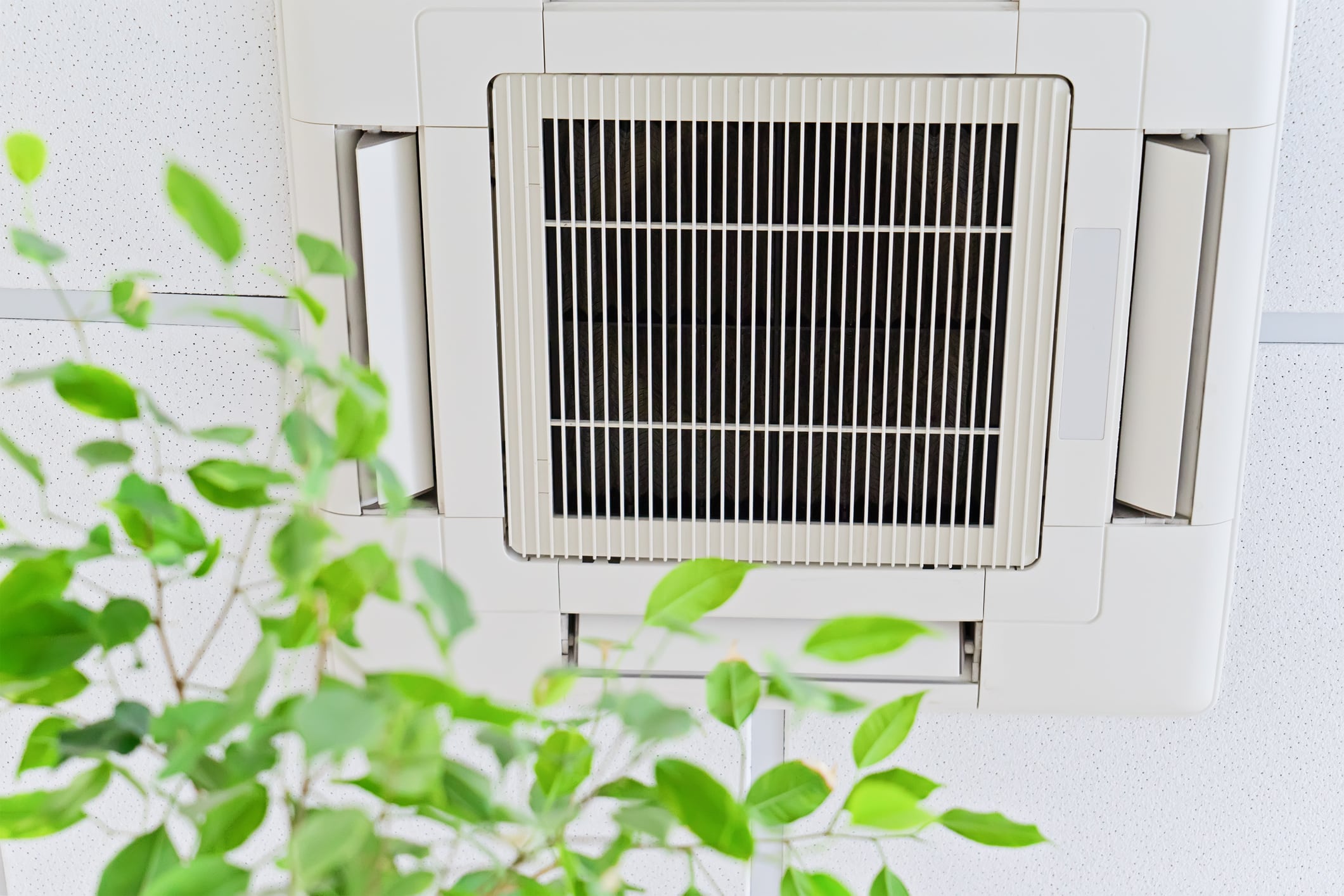
We begin by discussing the issue you want to investigate. Details such as when an odor started, where it occurs, previous water damage and recent renovations help determine the appropriate scope of service.
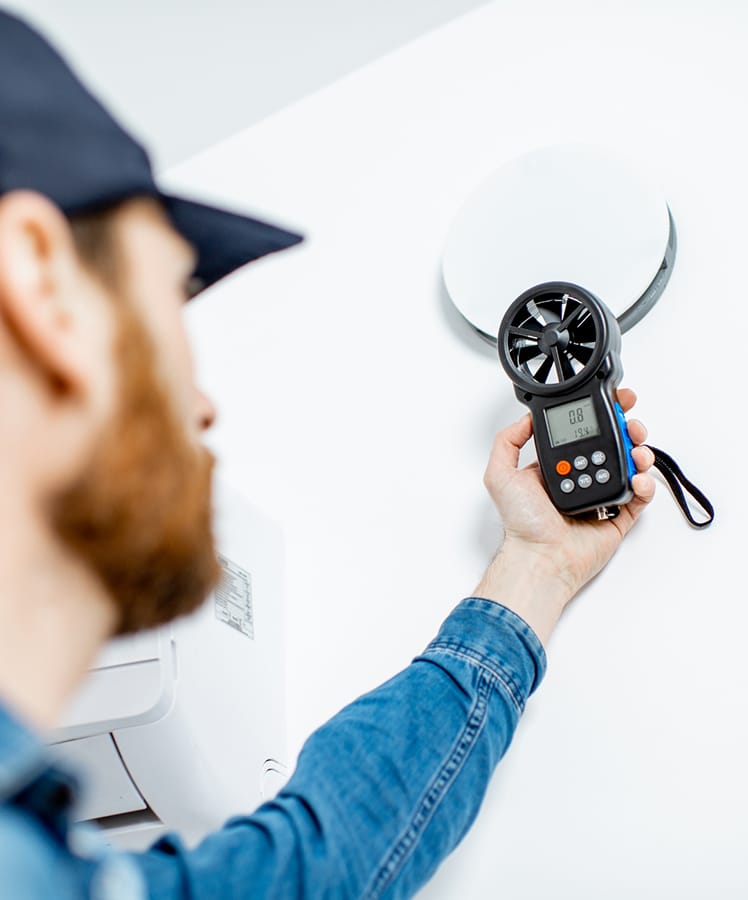
Depending on the requested service, an inspection may include examining accessible areas for visible growth, moisture concerns, suspect materials or potential pollutant sources. These findings help guide decisions about sampling.
Testing methods vary according to the concern. Mold assessments may involve air or surface samples, asbestos testing may require material samples, and radon testing uses a separate measurement process.
There is no single indoor air quality test that detects every pollutant. We can discuss which services address your concerns and any preparation instructions that apply.
Results provide information about the conditions or materials evaluated within the scope of the assessment. They should be considered alongside inspection findings, property history and the limitations of the testing method.
Depending on the findings, next steps may include addressing moisture, investigating a source, improving ventilation or consulting an appropriate remediation professional.

MD Mold Testing provides indoor air quality testing and related environmental inspection services throughout Montgomery County. We help homeowners and home buyers investigate concerns involving mold, VOCs, radon and suspect building materials.
When requesting service, tell us about your property type, the affected areas and any scheduling deadlines. This information helps establish an assessment that addresses your concerns.
Rockville homeowners may request testing after water damage, renovations or the appearance of persistent indoor odors. If you are buying a home, we can also discuss environmental testing that may be appropriate alongside a general home inspection.
For Bethesda properties, testing may help investigate concerns about materials in an older home or emissions following remodeling. Before removing suspect flooring, insulation or other building materials, discuss whether an asbestos assessment is appropriate.
Gaithersburg homeowners dealing with musty odors, recurring dampness or previous leaks can request a mold inspection to investigate relevant areas. When appropriate, sampling may provide additional information about conditions at the time of the assessment.
Potomac homeowners and buyers can request testing for specific environmental concerns, including mold, VOCs and radon. If several rooms or areas are involved, describe each concern when scheduling so the inspection and sampling scope can be planned.
Silver Spring homeowners and condo buyers may want to investigate previous water damage, persistent odors or concerns following renovations. Let us know about access restrictions or transaction deadlines when arranging service.
Beware of home inspectors who do not have the experience and credentials necessary to do the job to the highest standards. MD Mold Testing has over 25 years of experience in all aspects of home inspection and testing. Whether you are buying a home and need a comprehensive home inspection, or whether you are concerned about environmental health hazards in your home like radon gas, asbestos, or VOCs, we can address your concerns with inspection and testing that will give you the information you need. When you’re buying a home or develop concerns about possible hazards in the home, turn to a licensed, insured home inspection and testing service with expertise on the history and properties of the coverage area to protect your investment and your health.
The cost depends on the property, the concern being investigated, the inspection scope and the number and type of samples required. Testing one area for a specific concern may involve different work than assessing multiple areas for several pollutants. Contact MD Mold Testing for pricing based on your property and concerns. Ask whether the quote includes inspection, sampling, laboratory analysis and reporting.
The process generally begins with a discussion of your concerns and an assessment of relevant accessible areas. Depending on the agreed scope, testing may include air samples, surface samples, material samples or radon measurements.
The appropriate methods depend on what you want to investigate. A mold assessment, VOC test and asbestos material test each serve different purposes.
The appointment length depends on the property size, access, testing scope and sampling methods. Some tests require an extended measurement period, while samples submitted to a laboratory require additional processing time.
Confirm the expected appointment length and results timeline when scheduling, especially if you have a home inspection contingency or renovation deadline.
Mold testing focuses on mold-related concerns and may include air or surface sampling as part of a broader inspection.
Indoor air quality testing is a wider category that can include evaluations for airborne mold, VOCs, radon or other specific pollutants. Mold air sampling does not measure VOCs or radon, and a VOC test does not determine whether mold is present.
Testing may be appropriate when you have persistent odors, water damage, a suspected pollutant source or environmental concerns during a home purchase.
Testing is not necessary in every situation. For example, visible mold does not always require sampling before moisture problems and affected materials can be addressed. An inspection can help determine whether testing would provide useful information.